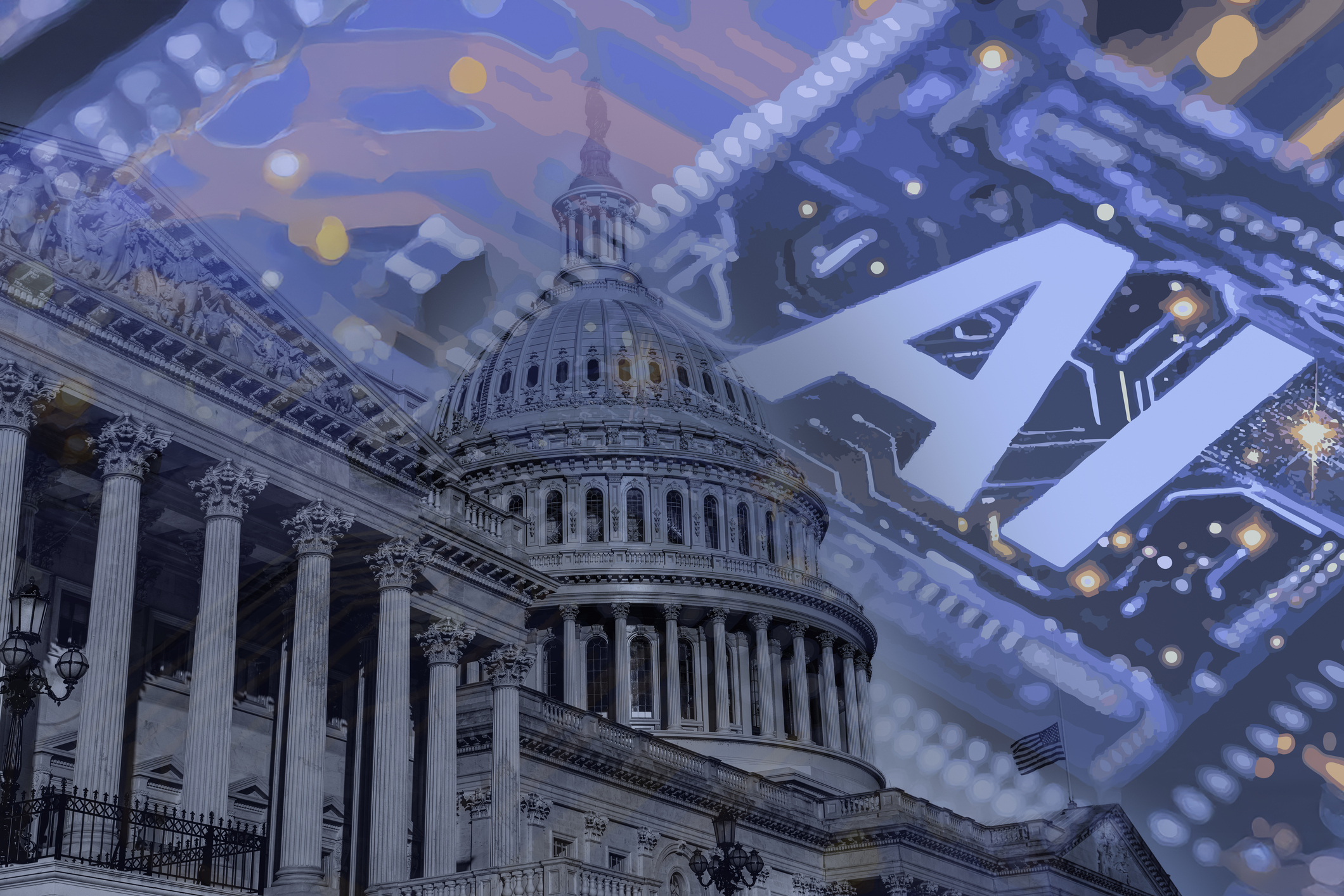
On June 2, 2026, President Trump signed a sweeping executive order titled “Promoting Advanced Artificial Intelligence Innovation and Security,” signaling the administration’s latest effort to strengthen America’s leadership in artificial intelligence while addressing emerging cybersecurity and national security risks associated with advanced AI systems.

The executive order reflects the administration’s broader policy approach

Federal contractors should be paying close attention to a growing issue in government procurement: the use of shadow AI and generative artificial intelligence by agency evaluators during proposal evaluations.

As federal agencies increasingly experiment with AI tools in procurement and acquisition processes, evaluators may be using generative AI platforms to summarize proposals, identify strengths and

Quantum computing has moved from the laboratory into the national security conversation — and the regulatory landscape is shifting fast. Government contractors and companies operating in the quantum technology space face a growing web of export controls, foreign investment scrutiny, cybersecurity mandates, and data protection obligations that demand attention now, not when a commercially viable

AI is now embedded in core defense mission systems, acquisition planning, and contract administration. The legal, compliance, and contractual risks that follow are fast-growing and consequential — capable of derailing performance, generating False Claims Act (FCA) exposure, or disqualifying proposals.

As the Department of Defense (DoD) increases its reliance on AI-enabled capabilities, contractors should understand

Commercial tech and AI companies entering the federal market face a hard lesson: Federal contracts do not work like commercial software licenses. GSA’s proposed AI clause is where that lesson gets expensive.

If your company sells software or AI-powered services commercially, your deal model is built on familiar assumptions: You license your product, you retain

The comment period closed. The clause survived. When GSA issues Refresh 32, existing Schedule holders will have 60 days to accept — or risk losing their contracts. Here is how to use the time you have left.

The market has spent six weeks debating whether GSA’s proposed AI clause — GSAR 552.239-7001 — is good